Chewing Gum: A Handwritten Font for Creative Web Design
As a web designer, I'm always on the lookout for fonts that can add a unique and personal touch to my projects. Recently, I had the opportunity to test Chewing Gum, a sweet and cursive handwritten font, in a real website layout. The results were nothing short of delightful.
The Visual Charm of Chewing Gum
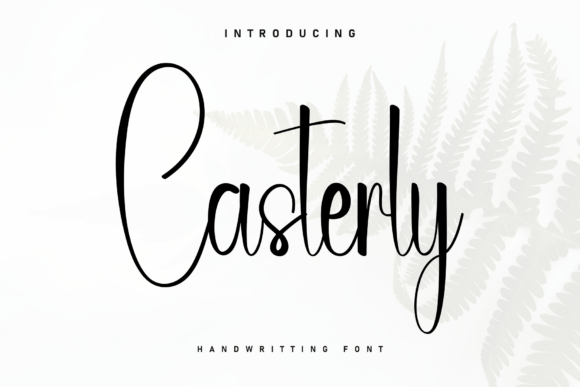
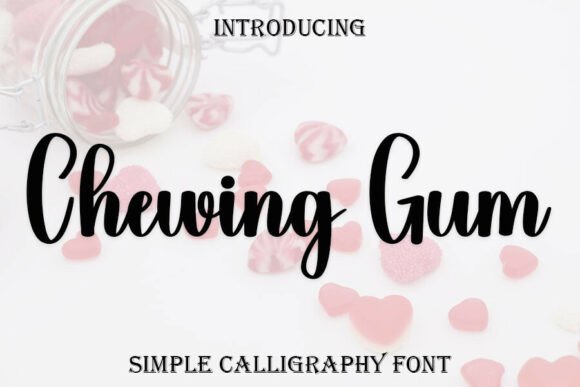
Chewing Gum is a premium font that exudes a gentle and joyful personality. Its cursive style is both elegant and playful, making it perfect for adding a romantic and whimsical touch to any design. The fluid, hand-drawn lines give it a natural, almost organic feel, which is incredibly appealing for creative and modern web designs.
Testing Chewing Gum in a Hero Section
One of the first places I tested Chewing Gum was in the hero section of a boutique online store. The goal was to create an inviting and visually engaging experience for visitors. I used the font for the main heading, "Welcome to Our Boutique," and it immediately transformed the page. The handwritten style added a personal and welcoming vibe, making the site feel more like a curated, artisanal space rather than just another online store.
Responsive Readability and Mobile Performance
When designing for the web, responsive layouts are crucial. I was pleased to see that Chewing Gum performed well across different screen sizes. On mobile devices, the font retained its charm without sacrificing readability. However, I did notice that for very small text, such as subheadings or button labels, a simpler sans serif font might be more practical. This is where font pairing becomes essential.
Font Pairing for Enhanced Branding
To maintain a balanced and professional look, I paired Chewing Gum with a clean sans serif font, such as Roboto. This combination worked beautifully. The sans serif provided clarity and legibility for body text and navigation, while Chewing Gum added a touch of elegance and creativity to headings and key call-to-action areas. This balance is crucial for creating a cohesive and user-friendly design.
Using Chewing Gum in Call-to-Action Areas
Another area where Chewing Gum shone was in call-to-action (CTA) buttons. For a coaching website, I used the font for the CTA, "Book Your Session Now." The handwritten style made the button stand out, drawing the user's eye and encouraging interaction. It felt more personal and less like a generic, corporate message, which is ideal for a service-based business.
Creating a Memorable Brand Identity
For a digital brand kit, I used Chewing Gum to create a set of branded graphics and templates. The font's unique style helped establish a strong and memorable brand identity. Whether it was for social media graphics, email newsletters, or promotional landing pages, Chewing Gum added a distinctive and professional touch that set the brand apart.
Readability and Accessibility Considerations
While Chewing Gum is a beautiful and versatile font, it's important to consider readability and accessibility. For long-form content, such as blog posts or detailed product descriptions, a more legible serif or sans serif font would be more appropriate. Additionally, for forms, navigation, and other interactive elements, a simpler, more readable font is recommended to ensure a smooth and accessible user experience.
Webfont Availability and Commercial Licensing
Before using Chewing Gum in your web projects, it's essential to check the included styles, webfont availability, and commercial licensing. This font comes with various alternates, ligatures, and swashes, which can add even more character and versatility to your designs. Make sure to verify that the font supports the languages and characters you need, and that you have the proper license for commercial use.
In conclusion, Chewing Gum is a fantastic choice for web designers looking to add a personal and creative touch to their projects. Its handwritten style is perfect for headers, CTAs, and branding elements, and when paired with a clean sans serif font, it creates a balanced and professional look. Just be mindful of its use in long-form content and interactive elements to ensure a great user experience.